Thursday, May 19, 2022

How to Gain Weight by Eating More Calories Than You Burn

If you want to gain weight, you have probably wondered how you can increase your calorie intake. The answer is simple - eat more calories than you burn. Eating a few extra hundred calories a day will increase your calorie intake by one to two pounds.

In addition to eating more than you burn, you should also add a few snacks to your daily diet.

Here are some tips to help you achieve your weight-gain goals:

Woman taking her lunch

Eat more

While gaining weight is not an instant miracle, it is very important for your overall health. Many underweight people face many health problems, including malnutrition, vitamin deficiencies, osteoporosis, reduced immune function, digestive and growth issues, and more.

Gaining weight also supports your health. Here are some ways to gain weight. Read this article for more tips. Listed below are some of the top reasons why you should increase your calorie intake.

Eat more calories than you burn

The first rule of weight gain is to consume more calories than you burn. If you exercise vigorously, your total daily energy expenditure (TDEE) may be high and making it difficult to eat enough calories to gain weight. However, it is still possible to add 500 calories to your daily diet to increase your weight by a pound a week, or even gain muscle. The amount of calories you burn is a function of your metabolic rate and body size.

A good rule of thumb for gaining weight is to eat three to five times more calories per day than you burn. You can also aim for seven to nine hundred additional calories a day. But remember to include protein in your diet. Protein is an important nutrient for gaining weight. Without protein, calories will be stored as body fat, not muscle. High-protein diets will cause your body to convert those calories into muscle instead of body fat.

Your metabolism is a complex process. Although it can regulate itself, certain diseases or conditions can slow it down. Symptoms of hypothyroidism and Cushing's syndrome are examples of metabolic disorders. The reason why you gain weight is unknown, but it is likely a combination of factors that include your genetics, your lifestyle, and the composition of your diet. While this is not the only factor determining your weight gain, a large portion of the problem is that your metabolic rate is not always regulated in a reliable fashion.

Add 500 calories a day

To gain weight, you must eat more calories than you burn. Generally speaking, you need at least 3,550 calories to gain one pound. Therefore, it's wise to add at least 500 calories to your daily diet. However, your body may require more calories, so this additional intake will not be sufficient for you to gain weight. You can try to supplement this calorie intake with additional exercise or by supplementing with calorie-boosting powders.

Increasing your daily calorie intake by about 500 calories a day will promote a one to two-pound weight gain per week. A basic vitamin and mineral supplement with 100% of your RDA may be necessary. Talk to your physician about the appropriate vitamins and minerals to take. Adding 500 calories a day to gain weight will help you gain about a pound of weight in a week. To learn more about this weight-gaining plan, click here.

The ideal calorie intake depends on your height, weight, and gender. It should also take into account your level of activity. If you're not sure what you need, try to consult a nutrition expert or use online calculators to estimate your calorie requirements. Adding 500 calories a day to your diet will result in healthy weight gain, but it will not be enough for someone of average height and weight.

Increase calorie intake

One of the simplest ways to increase your calorie intake is to eat more often. This could mean eating more than three meals a day or eating until you're stuffed. Setting an alarm or making a schedule for yourself can also help you stay on track. Just make sure that you're eating enough throughout the day to gain weight and muscle. Then you can adjust your intake to accommodate your lifestyle. This way, you'll gain weight while not sacrificing your health.

Another way to increase your calorie intake is to eat more of certain food groups. High-calorie choices in the vegetable group include peas, corn, winter squash, and potatoes. High-calorie grains include dense whole-grain breads, granola, raisin bran, and quinoa. Lastly, eat more of a variety of proteins such as chicken and fish. If you don't like red meat, opt for fish, chicken, or sardines.

In general, an increase in daily caloric intake will lead to a one to two-pound weight gain in a week. If you're skinny, you may need to boost your calorie intake even more to achieve your goal. For instance, consuming 500 extra calories a day can lead to a weekly weight gain of one to two pounds. While this is a general rule, it is important to understand that your body is different, and your calorie intake may need a higher increase to see results. If you're having trouble gaining weight, increasing your calorie intake can help you achieve your goal.

Avoid high-calorie foods

While it is true that there are some people who can expand without gaining weight, this is not true for everybody. Bodybuilders expand to add size, skinny females grow in order to add curves, and underweight people expand to maintain their weight. Regardless of why a person expands, there are foods that should be avoided. These are listed below. You should choose healthy and calorie-dense foods over those that can only cause you to gain weight.

In general, calorie-dense foods tend to be high in fat and protein. This can be helpful if you're trying to gain weight. For example, you can add nut butters to your salads and smoothies to boost your intake of fat and protein. However, be wary of processed nut butters, as they tend to contain unhealthy trans fats and added sugars. Besides, saturated fats are bad for your health and contribute to high cholesterol levels.

The best way to make sure you're getting the right amount of calories is to consume a variety of healthy whole foods. While some of them are high in calories, they are packed with nutrients and are the perfect choice for low-carb diets. By eating healthy whole-grain foods, you'll get the nutrition your body needs without the extra calories. You'll also be sure to feel full after each meal.

Strength train to gain weight

When you strength train to gain weight, you should choose exercises that will challenge you and increase your muscle mass. The key to muscle growth is progressively overloading your muscles with progressively heavier weights. This keeps your muscles constantly challenged and adapting to the increased stress. Lifting heavier weights is one of the easiest ways to track progress and gives you a confidence boost. Depending on your goals and fitness level, you may choose to focus on a single muscle group, or you can vary your workout routine to build muscle.

Saturday, April 30, 2022

Workout Plans for Women

Workout plans for women include resistance training and cardio. Depending on your age, they may also include active rest and flexibility or mobility work. Keeping in shape is vital for daily exercise.

Woman wearing black trouser

Women should consume enough protein in order to fuel their muscles. Here's a sample workout plan for a busy mom. Try one of these workout plans to stay in shape all week! Then, see if it works for you! Then, choose which workout plan works best for you!

Workout plans for women include resistance training

You can incorporate resistance training into your workout plan without feeling intimidated by it. Women are the ones who are most likely to use weights and work out at the gym. Despite what you may think, women have shown that they are strong and can achieve incredible results. Years ago, women were limited to cardio workouts and feared that heavy workouts would turn them into a she-hulk. Nowadays, women are doing just as hard as men to achieve their fitness goals.

This routine features 11 exercises that target every muscle group in the body. Some of them use your own body weight, while others require dumbbells. Choose a weight that allows you to complete each exercise for a minimum of 12 repetitions. Repeat the circuit twice, taking a 1-minute break in between circuits. Make sure to stand at least hip-width apart with your feet pointed forward. Women should perform each exercise with their hands at a shoulder-width distance, while men should stand at hip height apart with their toes pointed forward.

Cardiovascular exercise

Women's cardiovascular exercise plans can improve their cardiovascular health and tone their muscles. Cardio can help boost endorphins in the body, which fight depression, relieve stress, and increase self esteem. In addition to boosting endorphins, cardio is also an excellent way to burn extra calories and maintain a healthy weight. In fact, a 155-pound woman can burn approximately 372 calories in 30 minutes of cardio.

Studies have shown that increased levels of aerobic activity benefit the heart and lower the risk of heart disease and other ailments. Women should aim to achieve at least 150 minutes of moderate to high intensity aerobic exercise per week. Cardiovascular exercise also increases the blood flow to the brain and has other benefits. As mentioned before, women should wear sunscreen when exercising outdoors and wear protective clothing. Cardiovascular exercise plans are an important part of any woman's health and fitness plan.

Choosing a cardiovascular exercise plan for women can be challenging but rewarding. A varied program can include a variety of exercises and levels of difficulty. As you improve, you can challenge yourself with more challenging moves. Whether you choose to go for a brisk walk, run, or bike, it's important to find one that works for you. If you're new to exercise, it's important to start slow and gradually increase your intensity.

Active rest

While passive rest is not harmful for the body, it can stiffen muscles. Active rest promotes muscle recovery and increases a person's immune system. It's recommended to alternate between high intensity and low-intensity activities to get maximum benefits. While resting between workouts is important, it's not necessary to take extended breaks between intense workouts. In fact, many people find active rest to be the most effective way to recover from a workout.

When it comes to your exercise routine, making sure to include active rest in your weekly plan is crucial to your fitness goals. In addition to providing a much-needed break from intense workouts, active recovery helps you recover your body and mind after a long session. It also helps flush the muscle waste products that accumulate during intense training. After a workout, you should rest for at least 40 percent of your max effort for a few days to reset your body's equilibrium.

A study by the American Council on Exercise found that athletes who are fatigued continue their workouts at 50% of their maximum capacity. They don't recover any faster if they abruptly stop. Instead, they should engage in activities such as walking, light cycling, stretching, yoga, or swimming. These activities will give the muscles time to recover. They'll be especially useful after a hard workout when sore muscles make a recovery difficult.

Flexibility or mobility work

Incorporating flexibility and mobility work into your workout plan can provide your body with an excellent foundation for strength training. Aging can take its toll on our range of motion, but with the right exercises, we can offset these problems and improve our overall health. Listed below are some benefits of mobility and flexibility workouts for women. Hopefully, you'll find some new exercises that will enhance your daily routine.

Mobility and flexibility exercises are great to include in your warm-up routines or as circuits during your workouts. Mobility exercises work to prime your muscles before you perform strength exercises and will help you achieve the greatest results. While they should be done before the actual strength workout, two to three sets of each movement are sufficient. Start by warming up by walking the spiderman with a lifted hip. Next, stretch back and forth with your shoulders.

Mobility and flexibility are closely related, but they are different concepts. Mobility works to improve the range of motion of a joint, while flexibility helps you lengthen a muscle. While mobility exercises are more dynamic, working on both will yield similar benefits. However, you should be careful about how deep you stretch to ensure you're not straining your joints. Flexibility is a combination of strength and flexibility, and women with a limited range of motion should pay special attention to improving both.

Weight loss

A good weight loss workout plan for women should incorporate a variety of high-intensity activities. High-intensity interval training uses different equipment, including a kettlebell, a training sled, and a step-up box. These tools are great for improving your strength and cardiovascular fitness and will help you burn fat while toning your entire body. Cardiovascular exercise is a great way to lose weight and get lean, so look for a workout plan that combines these various types of exercises.

While traditional workout plans for women focus on aerobics, you should also incorporate strength training exercises to burn fat and build muscle. Circuit training can be an effective fat-burning workout plan that will engage all of your major muscle groups. In addition, this type of workout is great for keeping you motivated and moving. A good plan will include at least 4 sessions per week, and it's important to be consistent. Regardless of your fitness level, you should be able to complete all of your workouts.

A good weight-loss workout plan should include a combination of cardio and weight lifting. Women can lose weight through cardio and weight lifting, and many fitness magazines encourage women to work out while eating a diet high in refined sugars and carbohydrates. Women should also be sure to incorporate a proper diet for fat loss to maximize the effectiveness of their workouts. For example, a calorie-restricted diet plan that includes a low-fat and high-protein diet will help you burn more calories and lose weight faster.

Increase in confidence

Working out can help you improve your social skills. Social interactions in the gym help women feel more confident because they have to interact with other people. The same goes for work-related interactions. Social interactions give women a chance to meet new people and try different things. They can also make new friends. This can increase their confidence and help them feel more capable. Here are three tips for increasing your confidence while working out. Read on to discover some easy exercises that will improve your confidence.

A workout program can motivate you to stick with your goals and feel better about yourself. Most women who start working out do so to live a healthier lifestyle and to lose weight. However, the benefit of working out goes beyond appearance. It improves a woman's self-esteem and can help her manage her stress. Getting fit can also help her overcome depression, anxiety, and other issues. A fitness routine can even help her manage her daily stress levels.

Four Reasons Why You Should Start Exercising Today

There are numerous health benefits to exercise. Exercise helps you feel better, decreases your risk of disease, and boosts your energy levels. Read on to discover how exercise can improve your life! And don't worry if you are not used to exercise - here are some of the best exercises to get started. Try them today! Posted in Exercise, Tips & Tricks.

Woman listening music and doing excercise

Exercise helps you feel good

Regular exercise has numerous health benefits. It boosts mood, improves physical health, and reduces stress. It also improves the quality of your sleep. Whether you exercise for 30 minutes a day, play basketball for an hour, or use roller blades, exercise helps you feel good mentally. So, get out there and start moving! Read on to learn more about the many benefits of exercise for your health. You'll thank yourself later.

Exercising can help you reduce stress and anxiety. It also boosts your immune system, allowing you to do your daily tasks more easily. Exercise also boosts your immune system, flushing out bacteria and carcinogens. Plus, it stimulates your lymphatic system, draining waste and toxins from your body. And it's good for your heart! These benefits are worth pursuing. The more you exercise, the better you feel.

Regular exercise also has many benefits for your mental health. Exercising helps you feel better because it increases levels of endorphins, dopamine, adrenaline, and endocannabinoid. It boosts your energy level and helps you cope with challenges. Additionally, exercise fosters self-love, which helps you feel good about yourself. Even though it may seem like a minor benefit, it can make a big difference in your overall health.

It improves your health

Regular exercise improves your health in many ways. Not only does it strengthen your heart and muscles, but it can also help ward off a variety of diseases and improve your mood. Studies show that exercise also enhances social connections and helps you feel more secure in your relationships. Whether you enjoy running, hiking, biking, swimming, or playing tennis, you can find a way to fit regular physical activity into your busy schedule. Here are four reasons why you should start exercising today.

Before you begin any exercise program, talk to your doctor. While it's important to consult your physician and start slow, physical activity will help turn on the health-promoting switches in your brain. Physiological training adaptations happen every four weeks. To avoid any negative consequences, start slow and gradually increase the time you spend exercising. Most people should exercise two to three times a week for 20 minutes. However, you can increase this amount gradually until you achieve the level of fitness you desire.

Regular exercise increases the quality of sleep and reduces your risk of cardiovascular disease. It also helps strengthen your muscles, improves brain function, and lowers blood pressure. Your overall health and happiness will be better, so you should take the time to find an activity that you enjoy. Even if you have a busy schedule, exercising can help you balance your responsibilities. If you have children, a regular workout will make you a calmer parent.

It reduces your risk of disease

Regular physical activity is important for many reasons. Exercise improves overall health and fitness, reduces your risk of several chronic diseases, and improves your quality of life. Regular exercise also reduces the risk of many chronic conditions, including heart disease, type 2 diabetes, and several types of cancer. It also helps combat depression, anxiety, and dementia. There are many other benefits of regular physical activity, and we'll examine these in detail below.

Research suggests that moderate to vigorous physical activity, which involves a person's heartbeat and sweat, reduces their risk of chronic diseases, such as cancer. Moderate to vigorous activity includes activities like walking, cycling, and running. Those who are active regularly have lower cancer risks. However, there is still some debate over whether exercise lowers the risk of certain types of cancer. It's best to talk to your doctor before starting any new exercise program and make sure that you're getting the right amount of exercise.

Despite the evidence, many people at risk for heart disease do not have an accurate way to determine whether their arteries are free of fatty plaque. They are unwilling to undergo potentially costly and invasive tests to find out. Instead, they consider exercise as a type of insurance policy for their heart. Regular exercise offers short-term and long-term protection for the cardiovascular system. In fact, a single session of exercise can protect the cardiovascular system for two or three hours.

It improves your energy levels

It is no surprise that exercise helps improve energy levels. Researchers have long known that the more physical activity you get, the more energy your body produces. The more exercise you get, the more mitochondria you produce and release, increasing your energy levels. But why exactly does exercise increase your energy? Let's look at some of the mechanisms involved. Here are some of the most common ways exercise improves energy levels. Here's how each type of exercise works.

Physical activity increases energy. Whether you are a sedentary couch potato or a fitness enthusiast, regular physical activity has many benefits. Physical activity improves energy levels and is known to be beneficial for chronic conditions as well as healthy individuals. Regular exercise will also help you fight fatigue. Although it might seem counter-intuitive to increase energy by exercising, it actually has many benefits. Try incorporating a regular workout routine into your daily routine, and you may notice a dramatic change in your energy levels.

Regular physical activity increases blood flow to the heart and blood vessels. It also increases the production of vital hormones such as the thyroid-stimulating hormone and testosterone. Exercise also enhances the body's ability to burn fat and sugar and helps regulate blood sugar levels. The more you exercise, the more energy you'll have to fight off the daily fatigue that can be so draining. Even more important, regular exercise can improve your mood and make you feel better!

It increases your flexibility

You can make your body more flexible by performing exercises that stretch muscles. Flexibility is essential for daily life because it allows you to do everyday tasks with less discomfort. Flexibility exercises also help increase muscular strength and endurance. Flexibility exercises can improve your posture and help you complete a full range of motion. There are several types of flexibility exercises, including dynamic and static stretches. Read on to learn more. Listed below are some of the best ones.

Stretching exercises are an important part of your routine and should be done three to four times a week. Not only will it improve your flexibility, but it will also improve your range of motion and coordination. By starting small, you can see results in a short amount of time. Stretching exercises should work all major muscle groups, including the hamstrings, biceps, and triceps. While a typical training session can take less than 20 minutes, you should work up to a moderate difficulty level.

Performing stretching exercises is essential to improve flexibility. However, it can also increase your risk of injury. While practicing these exercises, it is important to focus on proper posture and breathing. Avoid jerky stretching as this can cause injury. Instead, hold each stretch for 10 to 30 seconds. When stretching for the first time, try to hold the stretch for 10 seconds. Once you get used to the stretch, you can increase the length of time you hold it.

It improves your cardiovascular system

As you may already know, physical activity is beneficial for your cardiovascular system. Exercise increases the circulation of oxygen throughout your body. You'll also burn calories while engaging in activities like jogging, swimming, and walking. You can also purchase Whole Body Vibration machines to increase blood flow. These workouts are also effective for people who don't have time for traditional forms of exercise. Even if you can't make time for exercise, here are some simple steps you can take to get some action:

Saturday, March 12, 2022

Top ten tips for getting fit at home

The eternal question that everyone and their grandmother want the answer to: "How can I get fit fast?" And the usual follow-up question: "Can I do it at home, or do I have to go out?"

Well, Fitness Advisors is happy to answer the first question with "read on below" and the second with "yes (apart from one), and you don't need equipment either." We can answer those two questions so comprehensively because you're a little bit awesome, and we like you.

woman walking alone

Everybody wants to be fitter, don't they, and gym memberships aren't for everybody. The home workout regimen is perfect for sweating it out in the comfort and privacy of your own home.

If you are starting on your personal little 'journey' to get fit, then your stamina isn't likely to be on top form – it takes time, and that's OK. Here are our top ten ways to get at home without you wanting to crawl into a hole in the ground.

1. Stick to the rule of 10

Whatever exercise gets your eye twinkling, do 10 each day. For example, aim for just 10 sit-ups each day – even if you cannot manage them all together – something is a hell of a lot better than nothing, and by the end of the week, we bet you can do 10 all in one sitting so to speak.

2. Get up and stand at least once an hour

We all should know by now that sitting on our behinds all day, or for hours at a time, is not suitable for us. For instance, if you are working from home, being hunched over a keyboard for long stretches is doing your back no favors, and it will not thank you for it.

Make a deliberate effort to get up and do something, at least during 'working hours, to get up and do something – set a timer on your phone, and there are tons of free apps that let you set the alarm to sound at intervals of your choice.

3. Go for a walk each day

Light, mild, easy, and uber-healthy. Go to the shop, walk around a park, anything, it doesn't matter. Just go for a walk, absolutely anywhere, for just 20 minutes a day. You'll feel much better in yourself for it, and you'll even begin to wonder what all the fuss was about. You don't have to go out either – walk around the house, up downstairs, so long as you get your pins pumping.

4. Do not leave the house

We thought you would like that one. Apart from your daily walk, there is no need to leave your home to get a sweat on. There are tons of cardio and bodyweight exercises that you can do at home without leaving the front door. Sit-ups, push-ups, lunges, star jumps A mix of anything really, just do them in manageable 10s

5. Tabata

No, we haven't forgotten your name. Tabata (short periods of intense workouts) is perfect if you want results faster or you do not have much time in your day.

You can download Tabata timers to your phone for free. The exercises can be pretty much anything, so long as one is nice and relaxed and the other is borderline punishing. For instance- 20 seconds of running then 10 seconds of running, rinse and repeat as much as you can. Keeping this up every day will burn the fat and get you fit. Fast.

6. Take a deserved breather

You know, it isn't all about exercise, you know, have a day off. Our daily lives are already pretty stressful, and your workouts shouldn't be adding to that.

When you start to dread exercising, you have already lost the battle – it is supposed to be enjoyable (stop laughing, you'll see). Power down your devices for a day, too, unless you need them for work. Obviously. Thank us later -because your body will be thanking you for the break.

7. Don't stress about the length of your workouts

Quality will always beat quantity; remember that. This is especially true if you are currently out of shape – push yourself too hard, and you will hurt yourself and also end up hating working out. Any exercise is good exercise. Stick to the rule of 10, even if you have to break it up over the morning or afternoon in 2 or 3 sittings, and you will be just fine.

8. Run for one song

Songs usually last a couple of minutes, so if you can manage a jog for that, you're doing great. It may not sound like much, but it's a couple of minutes of running today that you didn't do yesterday. Make it your favorite song, and you won't even notice a couple of minutes of sweat. Probably.

9. Get some quality bedtime behind you

Some forms of exercise are better than others, and sex burns more calories than you might think. It's so good for exercise that it can burn as much as 100 calories in one sitting, which is roughly a 20-minute jog. And if we are being completely candid, which one would you rather have?

10. work up a sweat when the ads are on

Unless you are watching Netflix or Prime Video, you will be hit with adverts at some point. You could put those couple of minutes to great use. If you usually go to the loo or make a brew when there's an ad break on, why not lunge there and back instead? You should probably not grab a biscuit, though, if you want all your hard work to mean something.

Hopefully, our little top ten has shown you that exercise doesn't have to be boring or even that difficult, approached the right way.

The 5 Steps to Reverse Dieting

I showed this picture today to someone, and they asked, “Are you pushing your stomach out”? I just looked at her with a “Why the hell would I do that?” kind of face. In reality, this photo is not even when I hit my “worse” this past winter. That is a photo that even I am embarrassed to share.

A woman standing at the road and wearing black shoes

Like everything, I tend to learn things by experience, aka: “The Hard Way.” I knew that after dieting from January to September, I was going to be facing a serious “Bounce.” I use that word because it describes precisely what happens. My body blows up when exposed to things I have not had in a long time.

Mentally, I cannot control the months of deprivation I have faced. I cannot process any of the foods that “normal” people eat physically. This creates the perfect storm.

Internally, my body is no longer creating enzymes to break down foods. My pancreas becomes irritated when hit with “real” foods. My stomach starts to hurt, and the bloating is significant. However, my brain is no longer receiving signals that I am complete because it has been in starvation mode for so long. I have not had the taste of so many flavors and textures. Foods are going in, but my body cannot break them down.

Now add that I have been eating 6-7 small meals and doing cardio twice a day, for most weeks. This caused my thyroid to slow down. The high caloric deficit is nothing to keep it “running.”

The point of this blog is not to bitch about what I did but to possibly inform someone on how to avoid this happening to them. Looking back, I was missing one fundamental key to avoiding this “bounce”:

A Reverse Diet

I am probably not going to be able to stress how important it is for someone to slowly reintroduce various foods and portion sizes, back into their body, S L O W L Y. This doesn’t only apply to those preparing for some sort of event which required strict dieting, but also to those who decided to start a diet in order to pull off those extra pounds. The “yo-yo” effect is something that most people have experienced:

Most of you are probably going to have to experience this for yourself, and that is okay. Just take it from me; the mental depression that follows this physical change is horrible!

Most coaches can get you to stage-ready with a typical competitor diet. Great! You are set to compete that day! You look your best and may even get a great placing.

What do you do next? Eat like a King or Queen, party with your friends and family, stuff junk food in your mouth, all because you can? I mean, you are lean as hell now; eat it all! Yep, that is what most of us do.

I will be the first to admit that half of the things that I eat after a show I would have never wanted before! However, it is the days that follow that becomes the real challenge. Day 3, regular life starts again, now what?

This is where you NEED to ensure that the coach you are working with has a diet prepared to keep you healthy, after the show! You are already fit, now you need to learn how to make this a normal lifestyle. 

Your body needs to learn how to digest and process food again. You need to learn how to socialize again without binge eating or drinking.

My 5 Steps to Reverse Dieting:

1. Introduce foods back slowly so your body can learn to process them again. Do not walk into a restaurant and eat like the people next to you. Remember what you have been feeding your body for the last 3, 6, 9 months. The people around you want YOUR body; you do not want theirs!

2. If you are going to over-indulge, control the urge to continue that pattern. Try to control the need to eat to the point you want to throw up. Remember, your brain is not receiving those signals that you are full. If you are going to stuff yourself after your show, that is fine; however, it is when you continue this pattern that your body will blow up!

3. Focus on the things that you missed outside of the kitchen! Go spend time with your family and friends. Go to that amusement park, fair, or parade. Get that dessert that your child has been begging you for. Get out of the kitchen!

4. Do not just stop working out now that your show is completed. Work with your coach to determine what your tapper program should look like. The intensity and duration will change; the need to do cardio still may not.

5. Keep drinking your water! Remember the amount you were drinking the weeks leading into your show? Well, that was not just because you were competing, it is healthy! You need water now more than ever to help flush out those new foods!

Please take the time to ensure that whoever is writing your prep plan is experienced and prepared to reverse diet you after the show. Looking back, there are many things that I could have done differently; however, the main thing is to ensure that there is a safety net on the other side waiting to catch me….

Because we all fall down.

Is Having Too Much Knowledge Bad

Is Too Much Knowledge Good or Bad?

We have all heard the saying, “Too much of a good thing is no longer a good thing.” Is it possible that too much knowledge is also not a good thing? I have always believed that “Education is Power”; however, I am starting to feel relatively powerless because of knowing too much.

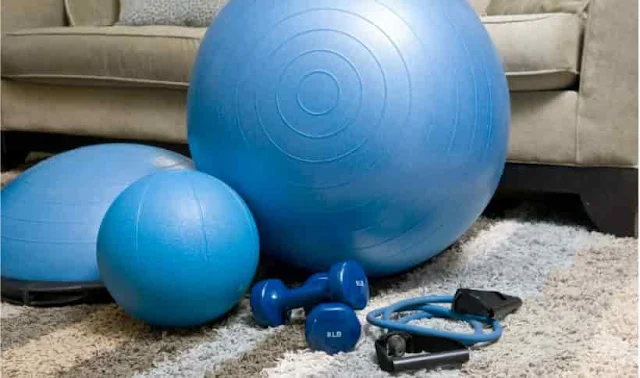
dumbbell set and exercise ball

Thinking back to a time a few years ago, before I knew anything about nutrition, back to when I used to exercise to eat, my mind was free! I never stressed about eating a banana or a simple ham and cheese sandwich. I never measured or weighed my food. I had an athletic body, and I was comfortable with it.

That self-image was quick to change once I competed.

Now I find myself fighting an internal battle every day and going to bed with regret and waking up with frustration. Is it really so horrible to have 1 whole cup of oats versus 1/3 cup? Or to add fat-free milk versus water to mix? Or just to skip the damn oats and have a normal breakfast with fried eggs, potatoes, bacon, and/or sausage and pancakes? I remember how a big breakfast was such a Sunday treat.


Thanksgiving meals used to be a time when I would cook all night long, preparing numerous labor-intensive side dishes to enjoy with my family and friends. I used to enjoy these moments. Now I just get a simple spread made by Whole Foods, while my family enjoys the traditional items.

Should we really be so consumed over every bite we take?

I have been struggling with this for weeks. Every day I wish I had the mental freedom I used to have. I am exhausted with over-analyzing my body and stressing about the food I put into it. I have established an image that so many would like to see fall.


Do I want to give them that satisfaction? Should I even care what they think? Will I be able to be comfortable with my body again?


Is there a balance between being neurotic and relaxed?


I believe that there is a balance if we can allow ourselves the time to find it. We need to be comfortable with the freedom to make choices and the outcome, good or bad. Having the education helps establish the foundation to ensure that most of our meals are “good.” I find that if I stick to a clean and healthy diet the majority of the time, I can keep some sort of mental balance.


There is not a percentage to my majority. When I deny myself something, my mental balance is lost, and I feel deprived and end up over-compensating for it. When I make too many bad decisions, I no longer recognize the body that appears, and I am irritated.


When establishing our mental balance, we also need to accept and embrace the body that we become.


Whether you are a competitor or someone who has an extra weight that is making you uncomfortable, you will change. A competitor’s body should not be held at a “stage look” for longer than absolutely necessary because it is not healthy. Same with someone who is holding onto a high percentage of body fat, also not healthy.


Get rid of that image in your head. Unfortunately for the competitor, the changes we see are harder to accept.


Live Your Life for You!


The bottom line is that we cannot live a balanced life on a diet. We need to find that middle ground between making good choices and feeling good. This balance is what I am trying to find, again.

Wednesday, March 2, 2022

Are You Drinking Too Much Alcohol?

Many people do not realize that they have a problem with alcohol until it has started to affect their lives. If you recognize the signs of alcoholism, then you will be able to stop it before it ruins your life. There are a number of signs that you may notice if you are drinking too much. Below are some signs to look out for.

Woman catch the Alcohol

Many people do not realize that they have a problem with alcohol until it has started to affect their lives. If you recognize the signs of alcoholism, then you will be able to stop it before it ruins your life. There are a number of signs that you may notice if you are drinking too much. Below are some signs to look out for.


You are a Weekend Warrior


Contrary to popular belief, you do not have to drink every day in order to have a problem with alcohol. If you find yourself binge-drinking on the weekend, then you likely have an alcohol problem. Binge drinking is the act of drinking four or more drinks in one sitting.


Binge drinking can be just as bad for your health as consuming alcohol every day. Studies have shown that binge drinking can raise your blood pressure and damage your liver. It is also important to note that drinking large amounts of alcohol at one time can lead to death. The smaller you are, the more likely you will be to suffer alcohol poisoning.

You Always Exceed Your Limits

Many people try to control their alcohol consumption by putting a cap on the number of drinks that they can consume. However, if you find that you are never able to stick with your limit, then this is a sign that you are losing control of your alcohol intake. It is a good idea to find out what is triggering your alcohol consumption and avoid it,


You are Neglecting Your Responsibilities


If your drinking is out of control, then it may become your top priority. As a result of this, you may find yourself neglecting your responsibilities. For example, you may find yourself missing work because of your drinking. You may also neglect taking care of your home and family.


You Engage in Risky Behavior


Alcohol lowers your inhibitions, which increases your chances of engaging in risky behavior. One night of drinking can change your life for the worse. In fact, alcohol plays a role in about 60 percent of drownings and fatal burn injuries. It also plays a role in about 40 percent of car accidents and falls.


Other People Have Commented About Your Drinking


Your family members and friends will likely say something about your drinking if it is getting out of control. It is important for you to listen to the feedback that you are getting. If your friends and family members say that you have an alcohol problem, then you likely have one.


Your Memory is Suffering


Alcohol does not affect everyone the same. The way that alcohol affects you will depend on your genetics. The medications that you are taking will also affect alcohol absorption. Additionally, food is another thing that can affect the way that your body absorbs alcohol.


However, everyone who frequently drinks in excess will likely have memory problems. Studies have shown that alcohol can disrupt glutamate, which is a brain messenger that controls memory. You may not remember what you did during a night of drinking. You may also find yourself at home and have no idea how you got there.


You Cannot Have Fun Without Alcohol


If you cannot have fun without alcohol, then you most likely have a drinking problem. You may also find yourself cutting back on other activities that do not involve alcohol.


You Use Alcohol to Cope with Stress


Alcohol can give you short-term relief from stress. However, it does not make the problems go away. In fact, alcohol can worsen them. You likely have an alcohol problem if you have to drink to cope with stress.


Do You Have a Drinking Problem?


If you feel that you may actually have a problem with drinking or alcohol addiction, it’s imperative that you seek help. You may need to seek inpatient or outpatient treatment, or you may find that a 12-step group like Alcoholics Anonymous works for you. Here are some resources that will help you to get help.